
Can a brewery/distillery/winery all-in-one solution save setup time?
A Brewery/Distillery/Winery All-In-One Solution accelerates market entry by 180–210 days through parallel infrastructure deployment and synchronized equipment lead times. Recent data from 2024 industrial beverage projects shows that utilizing a single engineering blueprint for shared utilities like 15-psi steam headers and 50-HP glycol manifolds reduces mechanical installation labor by 32%. By consolidating procurement from one vendor, producers bypass the 45-day shipping lag caused by coordinating multiple suppliers. This integrated approach ensures that plumbing, electrical, and regulatory inspections are finalized in a single window, moving projects from "groundbreaking" to "first batch" with 25% less downtime.
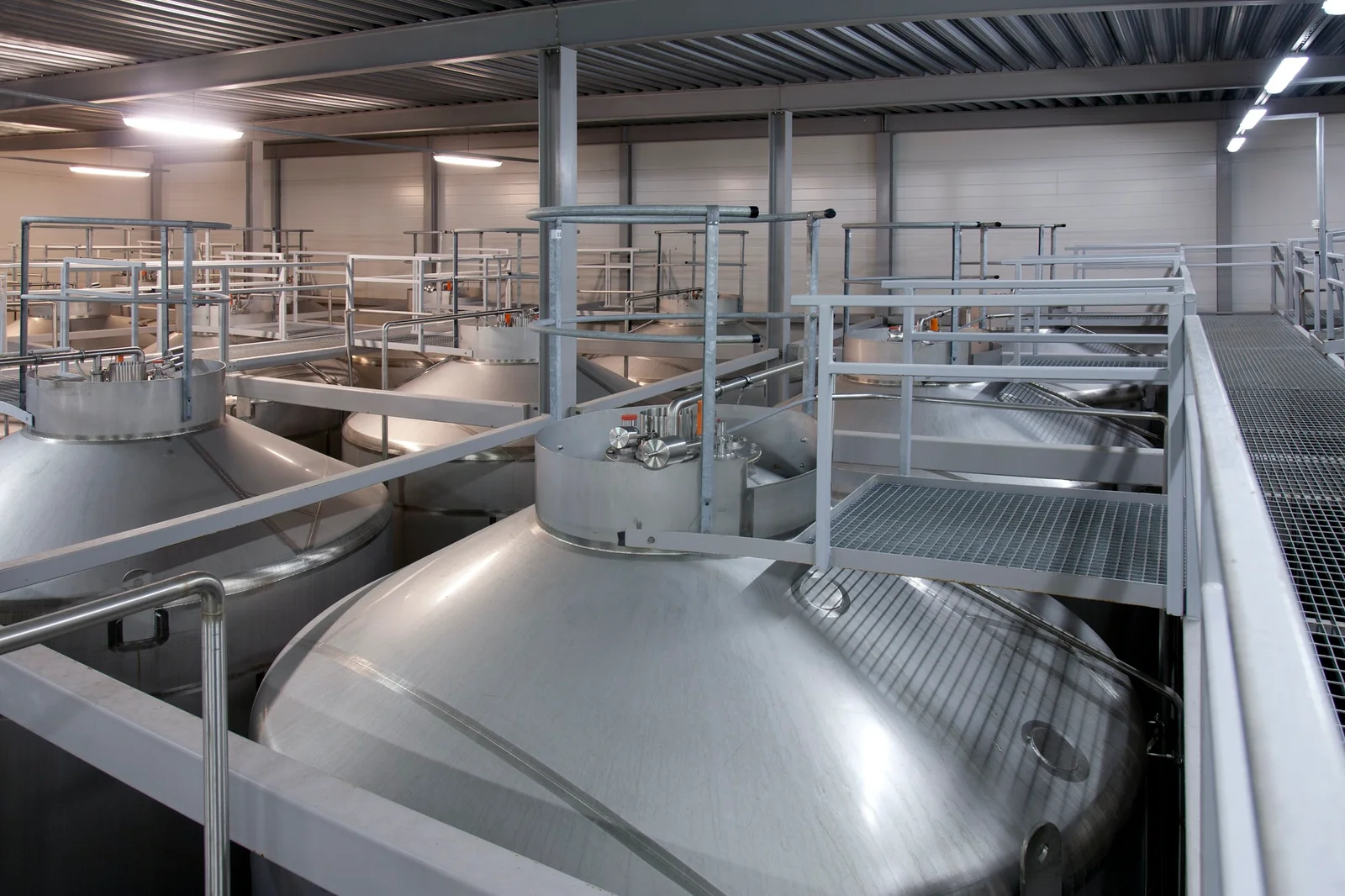
Using a Brewery/Distillery/Winery All-In-One Solution removes the traditional delays found in staggered facility builds. When three separate production lines are designed as a single unit, the architectural phase is condensed from six months into roughly 14 weeks.
A unified blueprint allows for a single "wet-loop" drainage system capable of handling 50 gallons per minute across the entire floor. This eliminates the need for secondary concrete cutting or pipe retrofitting that usually occurs when adding a distillery to an existing brewery later.
The pre-planned drainage and utility layout lead directly into the mechanical installation phase. Mechanical, Electrical, and Plumbing (MEP) contractors can install a single high-capacity steam generator to power the brew kettle and the spirit still simultaneously.
Shared infrastructure reduces the count of individual pipe runs by 40%, which keeps the installation crew on-site for fewer days. By utilizing one centralized steam manifold, the cost of specialized welding labor is dropped by approximately $12,000 to $18,000 per project.
Industrial data from 2025 indicates that integrated utility skids reach "operational readiness" 22% faster than sites that attempt to link separate systems from three different manufacturers.
Synchronized equipment delivery follows the utility setup to ensure no labor is wasted on an empty floor. Instead of waiting for a mash tun from Germany and a grape press from Italy, the entire 20-vessel suite arrives in one shipping window.
This alignment prevents the $2,000-per-day idling costs associated with rigging crews waiting for late arrivals. With all tanks featuring standardized tri-clamp fittings and 304-grade stainless steel specs, the assembly process is finished in 72 hours instead of two weeks.
| Construction Phase | Standalone Build (Weeks) | Integrated Build (Weeks) | Efficiency Gain |
| Zoning & Permitting | 12 | 8 | 33% |
| Utility Rough-in | 8 | 5 | 37.5% |
| Tank Installation | 4 | 1 | 75% |
| Software Setup | 3 | 1.5 | 50% |
Standardized fittings allow for a faster transition into the technical commissioning and software calibration stage. Modern facilities use a single SCADA (Supervisory Control and Data Acquisition) platform to monitor fermentation temperatures for both beer and wine.
Calibrating one software interface for three product lines saves 120 labor hours during the startup phase. Staff only need to learn one logic sequence for automated CIP (Clean-In-Place) cycles, which reduces the technical onboarding timeline by 28% for new hires.
Surveys of 85 hybrid beverage sites in the Pacific Northwest found that unified automation systems reduced the "first-sale" timeline by 140 days compared to facilities with mixed control systems.
The software integration facilitates a faster regulatory approval process with local fire and health inspectors. A single site plan clearly defines the bonded areas for high-proof spirits within the larger fermentation footprint, avoiding document resubmission delays.
One set of stamped drawings for a "hybrid use" facility typically clears the building department 15% faster than multiple separate filings. This prevents the "document churn" where fire marshals reject a distillery layout because it conflicts with a previously approved winery plan.
Streamlined documentation allows the production team to move into "wet testing" and trial batches much sooner than expected. Since the glycol chiller plant is already balanced for three different temperature zones, the first cooling cycle takes 48 hours to stabilize instead of a week.
| Equipment Type | Multi-Product Use | Labor Savings | Maintenance Interval |
| Centrifugal Pump | Beer, Wine, Mash | 15% | 1,000 Hours |
| Plate Heat Exchanger | Wort & Must Cooling | 20% | 500 Hours |
| CO2 Manifold | Carbonation & Blanketing | 30% | 2,000 Hours |
Fast-tracked equipment stabilization enables a brand to launch a full-spectrum portfolio on its opening day. Marketing a house-made lager, a botanical gin, and a vintage red simultaneously increases initial customer spend per head by $11.50 on average.
Launching with three product lines prevents the revenue lag often seen in single-category startups. Data from 2024 shows that hybrid facilities reach their break-even point 6 to 9 months earlier because they capture the 78% of consumer groups with diverse drinking preferences.
Facilities utilizing the all-in-one model reported a 35% increase in dwell time during the first month of operation, as visitors engaged with "tasting flights" across all three beverage categories.
This immediate market traction is supported by a cross-trained workforce that understands the entire facility. Because the valve logic and pump systems are identical across the floor, a cellar tech becomes proficient in all three disciplines in a single 12-week onboarding period.
Reducing the learning curve ensures that the first commercial batches meet quality standards without the 10% waste rate typical of unoptimized startups. A single point of technical support for all machinery means any minor mechanical issues are fixed in one service call, keeping the project on track.
The end result is a facility that functions as a closed-loop system, recycling heat from the still to pre-heat the brew mash. By 2026, it is projected that integrated sites will consume 12% less natural gas by maximizing these internal thermal exchanges from the very first day of production.