
What Are the Main Steps in the Aluminum Production Process?
By huanggs
From a humble patch of red soil to the fuselage of a soaring airplane, aluminum's journey is a modern alchemy combining massive energy, sophisticated chemistry, and large-scale engineering. This complete aluminum production process is a highly integrated industrial chain, with each step controlled and optimized by precise data to ensure the purity, performance, and economic viability of the final metal.
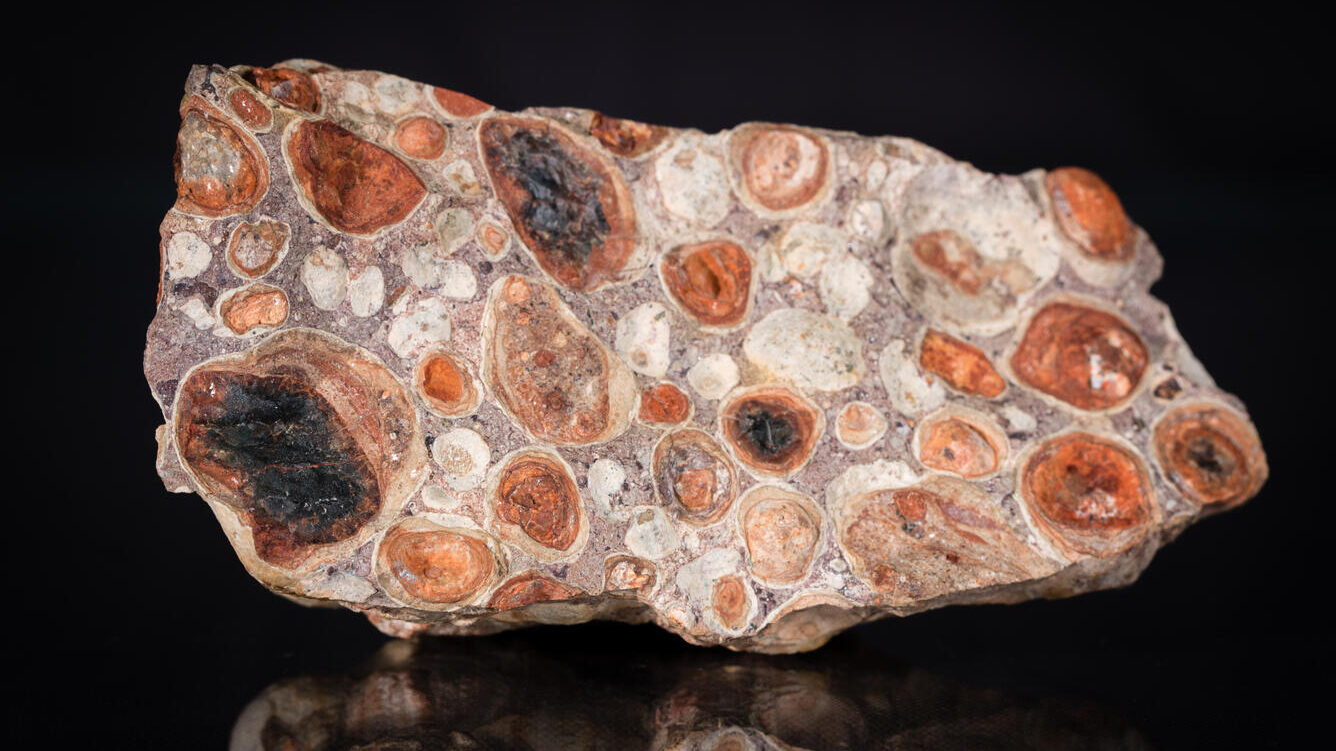
The journey begins with bauxite mining, an ore typically containing 35% to 60% alumina. Global reserves are estimated at over 30 billion tons, primarily concentrated in Guinea, Australia, and Brazil. A typical Australian mine, for example, can produce up to 25 million tons annually, using crushing and screening systems with a capacity exceeding 3,000 tons per hour to provide uniformly sized feedstock for subsequent processes. A 1% improvement in efficiency at this stage can save millions of dollars in logistics and pre-processing costs throughout the entire aluminum production process.
Next comes the core Bayer process, the chemical magic that transforms bauxite into metallurgical-grade alumina. Here, the ore is crushed to a particle size of less than 300 micrometers, and then leached in a sodium hydroxide solution with a concentration as high as 220 g/L under high temperature and pressure of approximately 245 degrees Celsius. After a series of sedimentation, filtration, and decomposition processes, white, sandy alumina with a purity of over 99.5% is extracted. On average, about 2.5 tons of bauxite are consumed to produce 1.0 to 1.5 tons of solid waste, red mud. The safe handling and resource utilization of this byproduct is a continuous challenge for the global industry, and recent research has focused on increasing the utilization rate of red mud from less than 5% to over 20% in the future.
The truly energy-intensive stage is electrolytic aluminum smelting, namely the Hall-Hlauert process. Alumina with a purity exceeding 99.5% is dissolved in a cryolite molten salt electrolyte at a temperature of up to 960 degrees Celsius. A huge electrolytic cell is fed with direct current of up to 400,000 amperes, causing an electrochemical reaction between the carbon anode and cathode. Producing one ton of primary aluminum requires an average of approximately 13,500 kWh of electricity, with electricity costs accounting for 35% to 40% of the total production cost. Therefore, innovations in electrolytic cell design, such as stabilizing the anode current density above 0.8 A/cm² and increasing current efficiency from 92% to 94%, can save a 500,000-ton-per-year aluminum electrolytic plant over 150 million kWh of electricity annually, reducing carbon dioxide emissions by approximately 120,000 tons. As the world's largest primary aluminum producer, China's continuous technological iteration has reduced the average comprehensive AC power consumption from approximately 15,400 kWh/ton in 2000 to around 13,500 kWh/ton in 2023.
 The produced molten aluminum has a purity of approximately 99.7% to 99.8% and can be directly fed into the foundry. Here, by adding precisely measured amounts of silicon (0.1%-12%), magnesium (0.3%-5%), copper, and other elements for alloying, hundreds of different grades of aluminum alloys can be produced. Advanced online degassing and filtration technologies control the hydrogen content in the melt to below 0.1 ml/100 g aluminum and filter inclusions to within 20 micrometers in size. This directly determines the fatigue performance and formability of subsequent aerospace-grade sheet metal or automotive body panels. Casting speed varies depending on the product; for example, the casting speed for rolled flat ingots is approximately 50 to 100 mm/min, while that for extruded round ingots is even faster.
Final finishing and forming steps give aluminum its final value. A coil of aluminum used to manufacture beverage cans is cold-rolled to an astonishing thickness of 0.25 mm, with tolerances controlled within ±5 micrometers. A typical aluminum foil for automotive radiators has its tensile strength precisely adjusted to the range of 280 to 320 MPa through heat treatment. Statistics show that in automotive manufacturing, replacing 1 kg of traditional steel with aluminum can reduce CO2 emissions by approximately 20 kg over the vehicle's entire lifespan. This is one of the core drivers behind the consistently high annual growth rate of aluminum demand in the global transportation sector, exceeding 5%.
Looking at the entire aluminum production process, it is far more than a simple metal extraction; it is a complex system driven by data and fueled by efficiency. From the mine to the final product, every improvement in temperature control precision, every percentage reduction in energy consumption, and every increase in recycling rate (approximately 35% of global primary aluminum comes from recycling, consuming only 5% of the energy required for primary aluminum production) embodies tremendous technological innovation and a commitment to sustainability. Understanding these specific steps and data allows us to see how modern industrial civilization transforms the most abundant metal in the Earth's crust into the indispensable silver foundation driving a lightweight and electrified future.
The produced molten aluminum has a purity of approximately 99.7% to 99.8% and can be directly fed into the foundry. Here, by adding precisely measured amounts of silicon (0.1%-12%), magnesium (0.3%-5%), copper, and other elements for alloying, hundreds of different grades of aluminum alloys can be produced. Advanced online degassing and filtration technologies control the hydrogen content in the melt to below 0.1 ml/100 g aluminum and filter inclusions to within 20 micrometers in size. This directly determines the fatigue performance and formability of subsequent aerospace-grade sheet metal or automotive body panels. Casting speed varies depending on the product; for example, the casting speed for rolled flat ingots is approximately 50 to 100 mm/min, while that for extruded round ingots is even faster.
Final finishing and forming steps give aluminum its final value. A coil of aluminum used to manufacture beverage cans is cold-rolled to an astonishing thickness of 0.25 mm, with tolerances controlled within ±5 micrometers. A typical aluminum foil for automotive radiators has its tensile strength precisely adjusted to the range of 280 to 320 MPa through heat treatment. Statistics show that in automotive manufacturing, replacing 1 kg of traditional steel with aluminum can reduce CO2 emissions by approximately 20 kg over the vehicle's entire lifespan. This is one of the core drivers behind the consistently high annual growth rate of aluminum demand in the global transportation sector, exceeding 5%.
Looking at the entire aluminum production process, it is far more than a simple metal extraction; it is a complex system driven by data and fueled by efficiency. From the mine to the final product, every improvement in temperature control precision, every percentage reduction in energy consumption, and every increase in recycling rate (approximately 35% of global primary aluminum comes from recycling, consuming only 5% of the energy required for primary aluminum production) embodies tremendous technological innovation and a commitment to sustainability. Understanding these specific steps and data allows us to see how modern industrial civilization transforms the most abundant metal in the Earth's crust into the indispensable silver foundation driving a lightweight and electrified future.
The produced molten aluminum has a purity of approximately 99.7% to 99.8% and can be directly fed into the foundry. Here, by adding precisely measured amounts of silicon (0.1%-12%), magnesium (0.3%-5%), copper, and other elements for alloying, hundreds of different grades of aluminum alloys can be produced. Advanced online degassing and filtration technologies control the hydrogen content in the melt to below 0.1 ml/100 g aluminum and filter inclusions to within 20 micrometers in size. This directly determines the fatigue performance and formability of subsequent aerospace-grade sheet metal or automotive body panels. Casting speed varies depending on the product; for example, the casting speed for rolled flat ingots is approximately 50 to 100 mm/min, while that for extruded round ingots is even faster.
Final finishing and forming steps give aluminum its final value. A coil of aluminum used to manufacture beverage cans is cold-rolled to an astonishing thickness of 0.25 mm, with tolerances controlled within ±5 micrometers. A typical aluminum foil for automotive radiators has its tensile strength precisely adjusted to the range of 280 to 320 MPa through heat treatment. Statistics show that in automotive manufacturing, replacing 1 kg of traditional steel with aluminum can reduce CO2 emissions by approximately 20 kg over the vehicle's entire lifespan. This is one of the core drivers behind the consistently high annual growth rate of aluminum demand in the global transportation sector, exceeding 5%.
Looking at the entire aluminum production process, it is far more than a simple metal extraction; it is a complex system driven by data and fueled by efficiency. From the mine to the final product, every improvement in temperature control precision, every percentage reduction in energy consumption, and every increase in recycling rate (approximately 35% of global primary aluminum comes from recycling, consuming only 5% of the energy required for primary aluminum production) embodies tremendous technological innovation and a commitment to sustainability. Understanding these specific steps and data allows us to see how modern industrial civilization transforms the most abundant metal in the Earth's crust into the indispensable silver foundation driving a lightweight and electrified future.